
 Facebook
 X
X LinkedIn
 Forward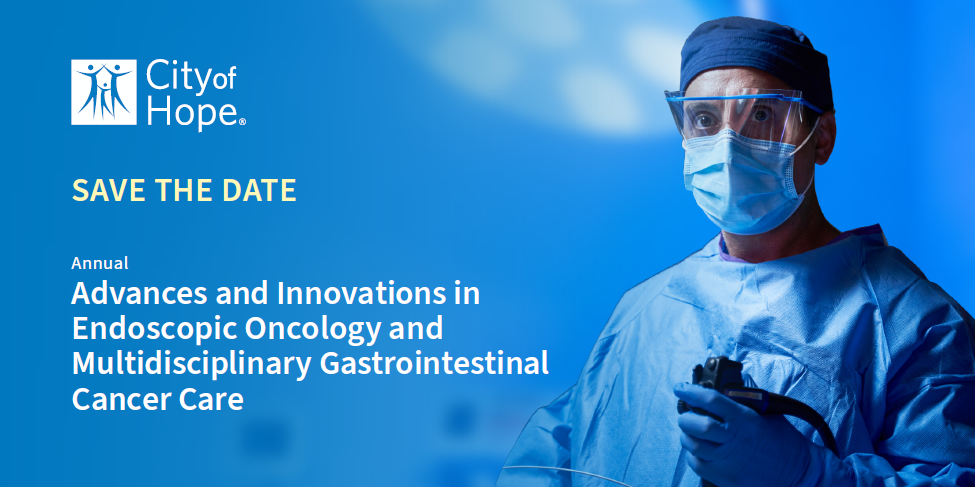
OVERVIEW
The current state of multidisciplinary care in gastrointestinal oncology is hindered by several key factors: first, the absence of consensus among various disciplines regarding the management of specific conditions; second, the lack of familiarity with guidelines from different specialties; and third, the challenge of keeping abreast of advances and research across all relevant fields.
In an ideal scenario, concerted efforts are made to stay informed about the latest advances, innovations, research, guidelines, and literature from other specialties. This conference aims to bridge this gap by bringing together a diverse group of professionals, including medical oncologists, surgical oncologists, gastroenterologists, thoracic surgeons, colorectal surgeons, radiation oncologists, palliative care providers, nurse practitioners, physician assistants, nurses, and other allied health professionals to discuss the management of patients with gastrointestinal cancers.
There are numerous factors contributing to the existing gap in multidisciplinary care for gastrointestinal cancer patients. Foremost among these is the inherent complexity of GI cancer care, which makes it challenging for any single specialty to possess comprehensive knowledge. Additionally, the rapid pace of research and innovation in recent years has made it difficult for professionals in different specialties to stay abreast of advancements outside their own fields. Moreover, innovations in one specialty often influence interventions in others, underscoring the necessity of multidisciplinary discussions to adapt and integrate new practices across various specialties. Presently, most conferences are dominated by a single specialty, which is why this particular conference is unique in its capacity to unite diverse specialties, fostering collaboration and comprehensive care.
THIS PROGRAM IS DESIGNED TO IMPROVE THE KNOWLEDGE BASE OF THE ONCOLOGY MULTIDISCIPLINARY TEAM ABOUT THE EXPANDING ROLE AND PROCEDURES OF INTERVENTIONAL ENDOSCOPY IN CANCER CARE, WITH A FOCUS ON GASTROINTESTINAL MALIGNANCIES.
COURSE HIGHLIGHTS
- Multidisciplinary Precision Medicine
- State-of-the-Art Innovations in Gastrointestinal Cancer Care
- Endoscopic Cancer Ablation
- Artificial Intelligence in Oncology
and More!
TARGET AUDIENCE
Medical oncologists, surgical oncologists, radiation oncologists in addition to gastroenterologists, radiologists, interventional radiologists, palliative care providers, advanced practice providers, nurses, and all other allied health care professionals interested in the subject matter.
LEARNING OBJECTIVES
- Enhance patient care by educating the multidisciplinary oncology team, including gastroenterologists, on the latest advancements in technologies and procedures.
- Outline procedure focused National Comprehensive Cancer Network guideline updates, emphasizing procedural aspects to ensure adherence to the latest standards.
- Highlight the significance of multidisciplinary care in guiding endoscopic decisions and demonstrate its impact on treatment outcomes.
- Educate the multidisciplinary team on advancements in endoscopic innovations for GI cancer patients.
- Discuss possible barriers and biases which may impact patient care (i.e., race, ethnicity, language, gender identity/orientation, age, socioeconomic status, attitudes, feelings, or other characteristics).
THIS ACTIVITY HAS BEEN APPROVED FOR AMA PRA CATEGORY 1 CREDITTM
WILL YOU JOIN US FOR THE
2026 Annual Advances and Innovations in Endoscopic Oncology and Multidisciplinary Gastrointestinal Cancer Care?
October 23 to 25, 2026
Waldorf Astoria Las Vegas, NV

FOR MORE INFORMATION
Please contact the Department of Continuing Medical Education at [email protected].