
 Facebook
 X
X LinkedIn
 Forward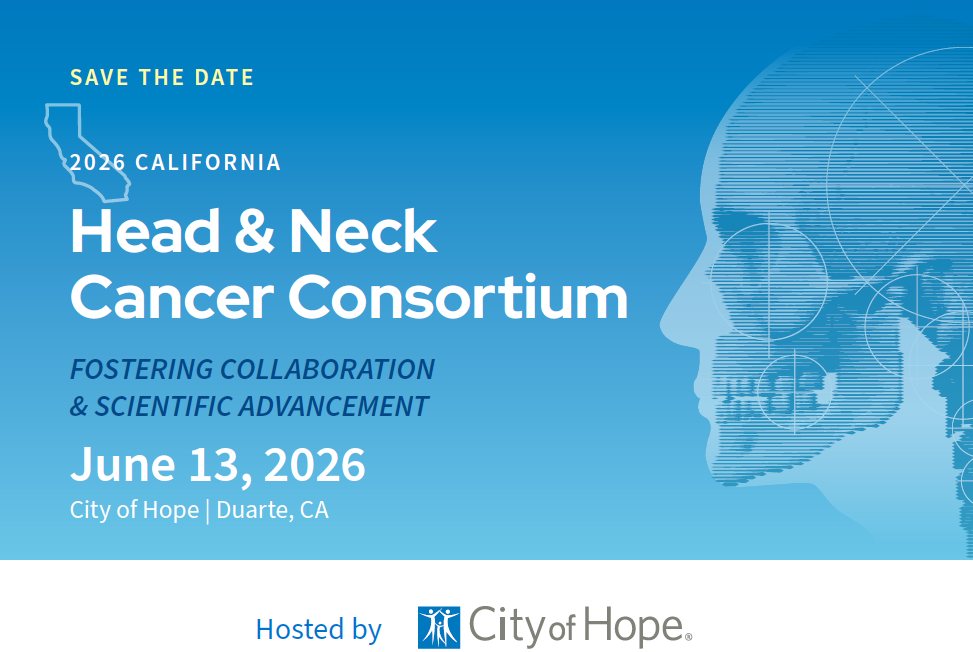
TARGET AUDIENCE
Healthcare professionals involved in the diagnosis, treatment, and multidisciplinary management of head and neck cancers, including otolaryngologists, head and neck surgeons, radiation oncologists, medical oncologists, radiologists, pathologists, primary care providers, advanced practice providers, nurses, and allied health professionals who participate in the care of patients with complex head and neck cancers.
LEARNING OBJECTIVES
- Distinguish between appropriate surgical, medical, and radiation therapy options for specific tumor types and disease stages.
- Discuss approaches for improving collaboration among surgical oncology, medical oncology, radiation oncology, radiology, pathology, and supportive-care teams.
- Examine early supportive-care strategies, including speech-language pathology, nutrition, dental oncology, and rehabilitation involvement.
- Discuss possible barriers and biases which may impact patient care (i.e., race, ethnicity, language, gender identity/orientation, age, socioeconomic status, attitudes, feelings, or other characteristics).
OVERVIEW
The California consortium is an interdisciplinary collaborative focused on best of class diagnosis, treatment, and survivorship for head and neck cancer patients. Despite advances in diagnostics, treatment modalities, and multidisciplinary care, significant gaps remain in the current management of head and neck cancers. These gaps contribute to variability in clinical practice, delays in diagnosis, suboptimal treatment planning, and inconsistent incorporation of supportive care and survivorship strategies. Current practice consists of variability in diagnostic approaches and staging accuracy, fragmented or delayed multidisciplinary coordination, and the inconsistent or late engagement of supportive care services. Ideal practice includes standardized use of guideline-based diagnostic pathways and accurate/consistent staging, seamless and timely collaboration among all relevant specialties through integrated tumor boards and care pathways, and early integration of speech-language pathology, nutrition, dental care, and survivorship support.
Multidisciplinary care is essential but unevenly implemented, and there is variation in training and clinical exposure, and supportive and rehabilitative services are underutilized. This activity is designed to translate learning into demonstrable changes in real-world practice with measurable improvements. Such improvements include increased adherence to evidence-based guidelines, improved multidisciplinary coordination, earlier integration of supportive services, reduction in unwarranted practice variation, greater use of validated quality measures, as well as better functional outcomes (speech, swallowing, nutrition). By aligning education with measurable outcomes, the consortium aims to drive meaningful, sustainable improvements in head and neck cancer care. As such, it is imperative that clinicians remain current with rapidly evolving evidence in order to support consistent guideline-based practice, improve coordination across the care continuum, and enhance patient outcomes and quality of care. The field is advancing faster than routine clinical workflows can adapt. With diverse perspectives and expertise, we come together to share ideas and work toward advancing the field and creating meaningful impact in our fight against head and neck cancer.
COURSE HIGHLIGHTS
- Interdisciplinary Collaboration Focused on Head and Neck Cancer Best of Class Diagnosis, Treatment and Survivorship
- Case Discussions and Review of Available Clinical Trials in California
- Networking Opportunities with Key Opinion Leaders and Multidisciplinary Experts from Top Institutions Fostering Scientific Advancement
Speech-Language Pathology Sessions Available!
ACCREDITATION
City of Hope is accredited by the Accreditation Council for Continuing Medical Education (ACCME) to provide continuing medical education for physicians.
City of Hope designates this live activity for a maximum of 2.0 AMA PRA Category 1 Credits™. Physicians should claim only the credit commensurate with the extent of their participation in the activity.
WILL YOU JOIN US FOR THE
2026 California Head & Neck Cancer Consortium?
Saturday, June 13, 2026
City of Hope | Duarte, CA

FOR MORE INFORMATION
Please contact the Department of Continuing Medical Education at [email protected].